- News Without BS
- Posts
- Sovereignty at Sea and Sky
Sovereignty at Sea and Sky
When nations flex, the fight spills into airspace and open seas.

Devin
September 16, 2025
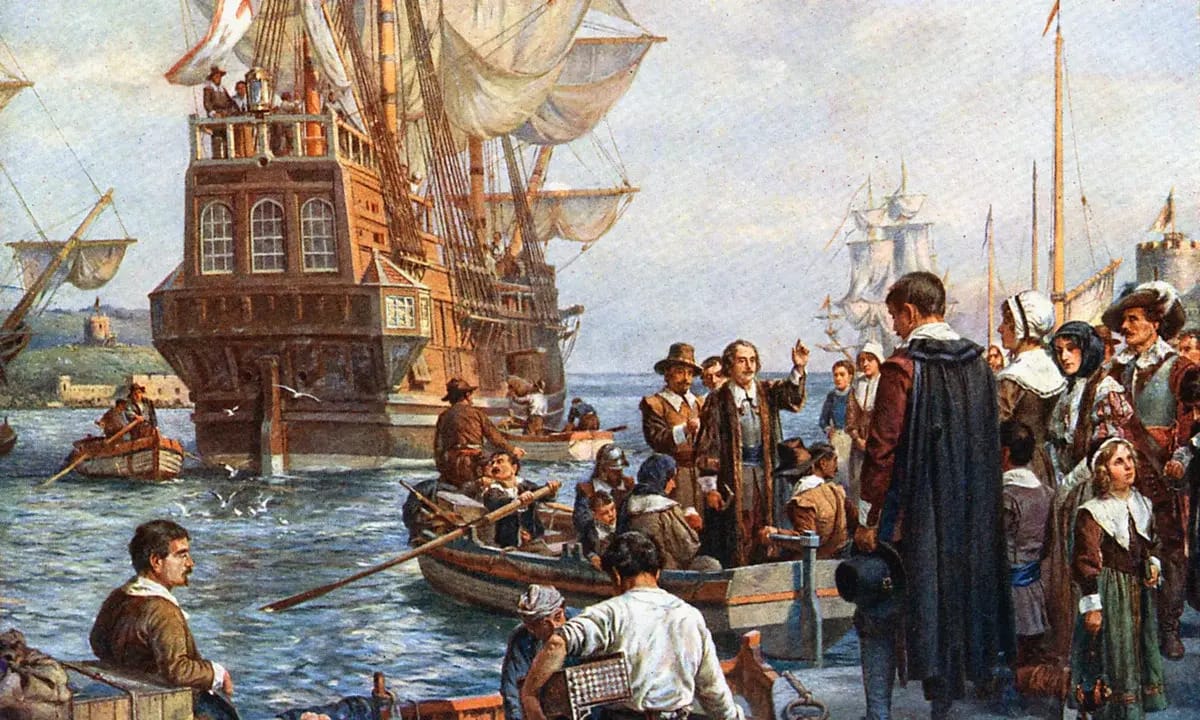
405 years ago today, a small ship called the Mayflower left England with a band of colonists chasing a new life across the Atlantic. They’d go on to land in Plymouth, draft the Mayflower Compact, and set the stage for one of history’s most famous experiments in self-government.
Fast forward to now, and while the ships look different, the world is still full of people making bold moves that ripple far beyond their borders.
Let’s dive into today’s headlines.
Airspace Anxiety
Europe just got hit with a one-two punch that puts NATO’s nerves on full display. On September 12, Russia and Belarus kicked off “Zapad-2025,” their biggest joint military drills since the Ukraine invasion. Roughly 13,000 troops are taking part, far fewer than the 200,000 from the 2021 version, but the symbolism outweighs the headcount. The drills stretch across Belarusian and Russian training grounds, plus the Baltic and Barents Seas.
Officially, they simulate defending Belarus from a Western attack. In reality, they land just days after Russian drones slipped into Polish airspace, making the whole exercise feel less like a rehearsal and more like a warning shot. For Poland, Lithuania, and Latvia, the NATO states hugging Belarus’s border, the timing is impossible to ignore. All three have stepped up security, bracing for whatever message Moscow and Minsk are trying to send.
That message has already sparked a bold response. Poland’s Foreign Minister Radoslaw Sikorski is pushing NATO to consider a no-fly zone over Ukraine. His pitch: Russian drones crossing into Poland prove the threat doesn’t stop at Ukraine’s borders, so protecting Ukrainian skies is really about protecting Europe.
On September 10, nearly 20 Russian drones violated Polish airspace, with a handful shot down. For Warsaw, that’s enough to argue the alliance needs to act before spillover turns into catastrophe. Sikorski admits Poland can’t make this call alone, it would take consensus from NATO allies. But if adopted, his plan would put NATO pilots directly up against Russian aircraft. That’s not just escalation. That’s confrontation.
Between Zapad-2025 playing out on NATO’s doorstep and Poland daring the alliance to cross a bright red line, Europe suddenly finds itself staring down one of the most serious strategic dilemmas since the Ukraine war began.

Rapid Fire
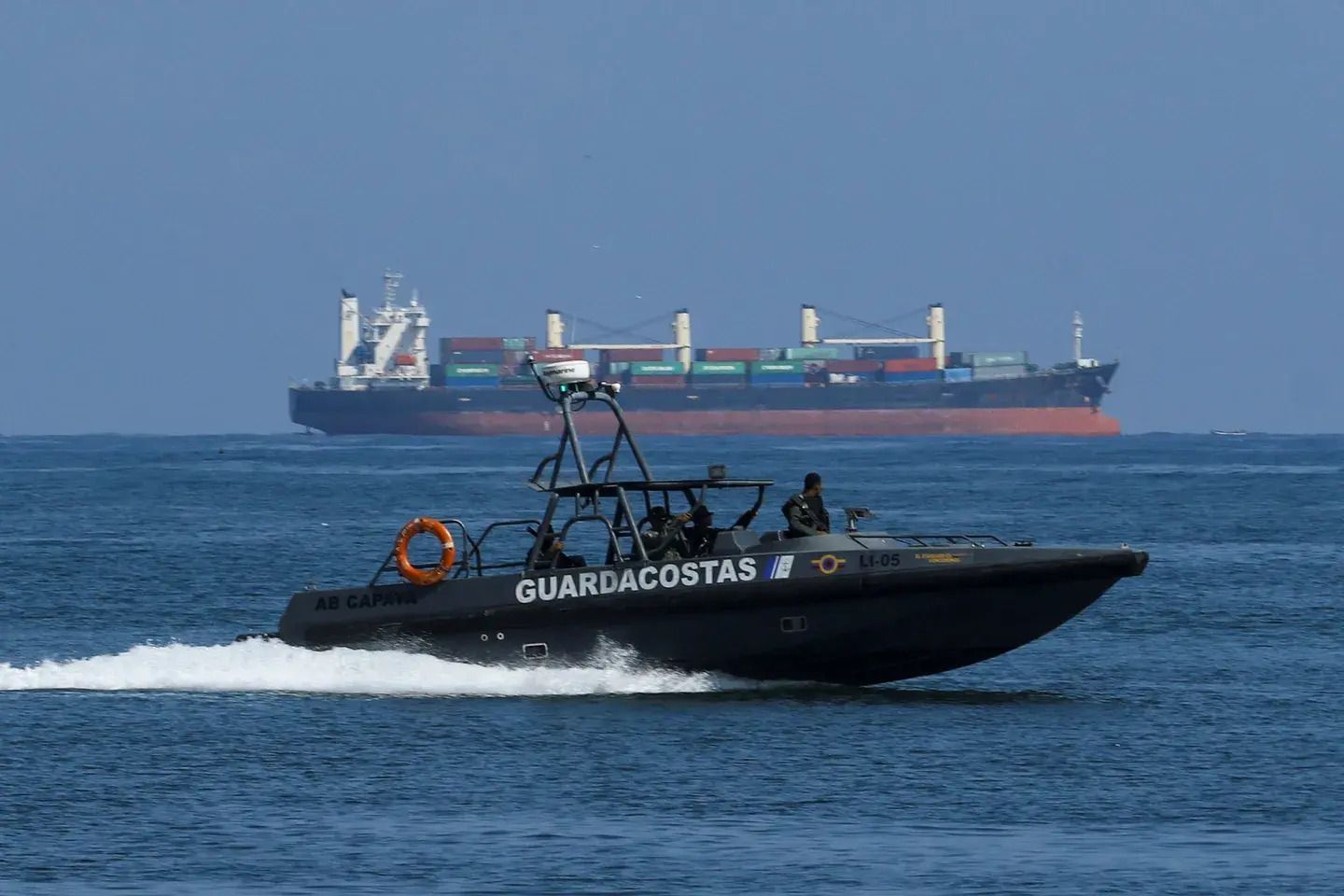
🛥️ The U.S. just pulled off its second strike on Venezuelan waters in two weeks, blowing up what it says was another drug boat tied to Tren de Aragua. Trump is leaning hard on the narrative that these boats are basically floating terrorist bases, run by a gang he insists is controlled by Maduro. Three people reportedly died this time, after 11 were killed earlier in the month.
The White House is painting it as a righteous fight against “narco-terrorism.” Venezuela says hold on, those flashy strike videos could even be AI fakes. Not exactly the kind of disagreement you can settle with a replay button.
Here’s the catch. U.S. intelligence reports don’t exactly back up Trump’s claim that Maduro is in bed with the gang, and legal experts are already side-eyeing the strikes. Is this law enforcement or war? The distinction matters when you’re firing missiles in another country’s backyard.
Venezuela has blasted the strikes as a violation of its sovereignty, calling them straight-up acts of aggression meant to stir chaos. Either way, it marks a sharp escalation of America’s military footprint in the Caribbean.
🇲🇲 Myanmar’s junta just admitted its December election won’t be nationwide, canceling voting in nearly 15 percent of constituencies where armed resistance has taken hold. Four years after the 2021 coup, the military controls only about a fifth of the country, mostly big cities, while groups like the Arakan Army and People’s Defense Force dominate the countryside. It’s staging a vote anyway, but international observers have already written it off as a sham, with opposition parties banned and millions left off the rolls.
Put simply, the exclusions aren’t just a logistical hiccup. They’re proof the generals can’t deliver on their own promise of restoring control. Instead of showing strength, the election lays bare a military hanging on in pockets of power while large swaths of Myanmar slip away.
🇧🇷 Trump tried to strong-arm Brazil with a 50 percent tariff and a demand to drop the trial of his ally Jair Bolsonaro. Lula fired back, calling the move political, illogical, and flat-out unacceptable. He made it clear Brazil isn’t taking instructions from Washington, especially when it comes to its courts. “Brazil is a sovereign nation with independent institutions,” he said, adding that Trump “was not elected to be emperor of the world.” The clash was triggered by Bolsonaro’s conviction and 27-year prison sentence for plotting a coup after losing the 2022 election.
The real fight here isn’t just about soybeans and steel. It’s about whether a U.S. president can use trade policy to meddle in another country’s democracy. Lula framed it simply: Brazil’s judicial system is off-limits, and democracy is “not on the table.” With reciprocal tariffs now on the table, this spat isn’t just rhetoric. It’s shaping up to be one of the sharpest clashes yet between two of the hemisphere’s biggest economies.
World Watch
Pope Leo XIV just waded into the corporate pay debate, and he didn’t mince words. In his first formal media interview since becoming pope, the Chicago-born pontiff called out sky-high executive salaries, using Elon Musk’s $1 trillion Tesla pay package as exhibit A. “We are in big trouble,” he warned, pointing to the yawning gap between CEOs and ordinary workers. The interview was published on Catholic outlet Crux and marks the first time Leo has spoken publicly on global economics since taking the papal seat in May.
This wasn’t just a jab at Musk. It was Leo’s way of putting inequality at the center of his papacy. He reminded readers that wealth concentrated in the hands of a few isn’t just unfair—it risks tearing societies apart. Coming from the first American pope, a guy who spent years as a missionary in Peru before landing in Rome, it’s clear he’s bringing a front-row perspective on what extreme inequality looks like. And now he’s dragging that fight right into the global spotlight.
Today in What the Hell
Alphabet just crashed through the $3 trillion ceiling, officially joining the tiny club of companies worth more than most countries’ economies. Shares jumped 4.5% to $251.61, putting its market cap at $3.04 trillion and making it the fourth most valuable company on the planet, behind only Nvidia, Microsoft, and Apple. The run-up has been staggering. Since April, Alphabet’s stock has surged more than 70%, adding $1.2 trillion in value. Nearly a third of that growth has come just in 2025, fueled by a booming cloud business and a surprisingly investor-friendly antitrust ruling.
Put in perspective, Google went from scrappy IPO in 2004 to a behemoth worth more than the GDP of France in just two decades. It’s absurd when you think about it. One company best known for a search bar is now worth more than entire nations, their industries, and their people combined. That kind of financial gravity says a lot about where global power sits today: less in parliaments, more in Palo Alto.

That’s all folks
That’s a wrap for today. From Europe’s airspace jitters to Washington’s muscle-flexing in the Caribbean, the global stage is buzzing with moves that could reshape alliances. Still, each of these stories is a reminder that power isn’t just about force, it’s also about how nations respond, adapt, and push back.
So take the headlines, keep the context, and head into the week knowing the world may be messy, but it’s never boring.